
Codependency Isn’t Love
It’s a Part of You Trying to Keep You Safe

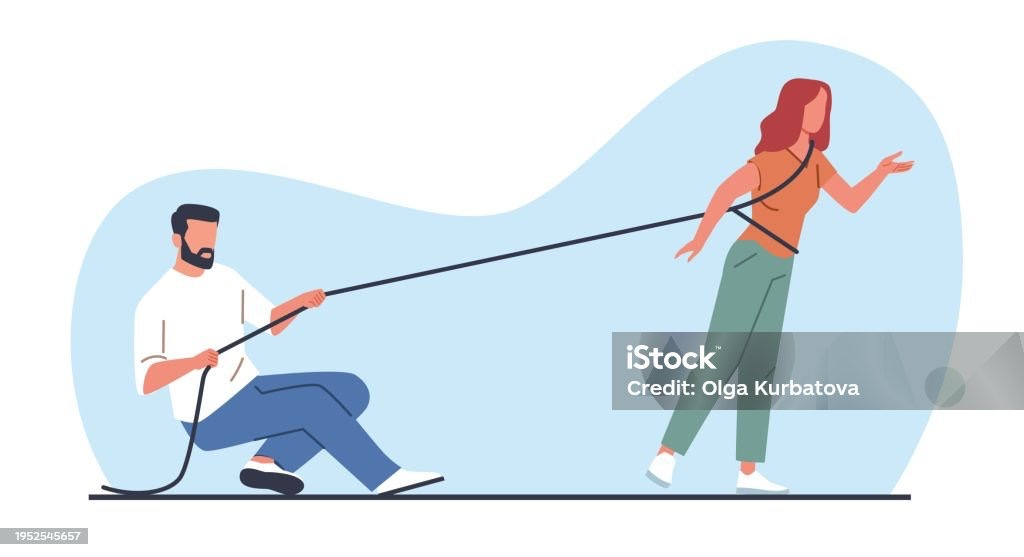
I used to think codependency meant loving someone too much. That if I could just stop people pleasing, stop rescuing, stop overthinking every text message, I’d finally be free.
But through the lens of Internal Family Systems (IFS), I’ve come to see something very different:
Codependency isn’t who you are. It’s a strategy. It’s a protective part of you that learned, often very early in life, that your safety depended on someone else’s emotional state.
Last week, a woman I spoke with described seeing her partner go quiet after a stressful day. Within minutes, she was apologizing for things she hadn’t done, offering to cancel her own plans, and drafting a long text to make sure he wasn’t upset with her. In IFS, that reaction wasn’t “being too much”, it was a protector rushing in to prevent the old pain of disconnection. Instead of shaming herself, she could pause and ask that anxious part, “What are you afraid will happen if I don’t fix this?”
The Birth of the Codependent Part
Imagine being a child in a home where love felt unpredictable. Maybe a parent was emotionally unavailable. Maybe they struggled with addiction, mental illness, or explosive anger. Maybe you learned that being “good” kept the peace. Maybe your needs were ignored unless someone else needed you first. Children can’t leave these environments. Instead, they adapt.
A part of you begins scanning constantly:
Is everyone okay?
Did I do something wrong?
How can I fix this?
What version of myself do I need to be so I won’t be abandoned?
That part becomes incredibly skilled. It notices tiny shifts in mood. It anticipates conflict. It sacrifices its own needs. It keeps relationships alive at all costs. From the outside, it looks like “kindness.” On the inside, it’s survival.
The Hidden Job of the Codependent Part
In IFS, we don’t ask:
“How do I get rid of this part?”
We ask:
“What is this part trying to protect?”
That’s a radically different question, because underneath almost every codependent behaviour is another part carrying unbearable pain.
The part that believes:
“I am only lovable if I’m useful.”
“If they leave, I won’t survive.”
“My needs are too much.”
“I’m responsible for everyone’s happiness.”
These are often exiled parts: young, vulnerable parts that were never allowed to simply exist. The codependent protector works tirelessly to make sure those exiles never experience rejection again.
Why Logic Doesn’t Fix It
This is why advice like:
“Just set boundaries.”
“Just leave.”
“Just love yourself.”
Often falls flat. Your nervous system isn’t responding to your current partner. It’s responding to memories your body still carries. Your protector isn’t choosing dysfunction. It’s preventing what it believes would be emotional annihilation. & it’s done an incredible job. It got you here.
When Love Feels Like Anxiety
One of the biggest signs that a protective part is running the relationship is this: Peace feels unfamiliar. Chaos feels like chemistry.
You mistake emotional intensity for intimacy because your system learned that unpredictability equals connection.
So when someone is emotionally available…
You wait for the other shoe to drop. When someone texts back consistently… You wonder if they’re losing interest. When someone gives you space…your protector hears abandonment.
Not because you’re irrational. Because another part remembers.
Meeting the Part Instead of Fighting It
The next time you notice yourself:
obsessing over someone’s opinion of you,
feeling responsible for fixing another person’s emotions,
abandoning your own needs to avoid conflict,
panicking over distance in a relationship,
Pause before judging yourself.
Ask gently:
“What part of me is here right now?”
Then ask:
“What are you afraid would happen if you didn’t work so hard?”
You might be surprised by the answer.
Often, the protector doesn’t say:
“They’ll be upset.”
It says:
“I’ll be alone.”
“I’ll be abandoned.”
“I’ll disappear.”
Those are very different fears. And they deserve compassion, not criticism.
The Goal Isn’t to Eliminate the Protector
IFS teaches that every part has positive intentions. Even the parts exhausting us. The goal isn’t to fire the codependent protector. It’s to help it realize that it no longer has to carry the entire burden. That your adult Self can now comfort the younger parts it has spent years protecting. The protector doesn’t need to disappear.
It simply gets to rest.
A Different Definition of Love
Maybe love isn’t measured by how much of yourself you’re willing to sacrifice. Maybe love is measured by how fully you can remain yourself while deeply caring for another person. Maybe boundaries aren’t walls. They’re bridges that allow two whole people to meet.
And maybe the most healing relationship you’ll ever build isn’t the one where someone finally chooses you.
It’s the one where, for the first time, every part of you feels chosen by you.
—
Reflections:
What if the behaviors you’ve spent years trying to “fix” are actually protective parts that have been working overtime to keep you safe?
Instead of asking, “What’s wrong with me?”
Try asking,
“What happened to me—and which part of me has been carrying that story ever since?”